In the sprawling, syndicate-run underworld of Star Wars Outlaws, reputation is supposed to be currency. It's the grease for the wheels of Kay Vess's criminal ambitions, opening doors and closing deals across the galaxy. Players are constantly nudged to consider which faction's favor to curry, knowing that a "Good" standing with a syndicate like the Pykes or Crimson Dawn can turn a fortified district into a friendly neighborhood. There's a real, tangible weight to these choices... for most of the game. But in 2026, looking back on one of the game's most iconic settings, it's clear that a major piece of the puzzle never quite clicked into place.
Now, let's talk about the big guy—Jabba the Hutt. From the moment players set foot on the dusty dunes of Tatooine, the Hutt Cartel's shadow looms large. Anyone with a passing knowledge of the galaxy far, far away knows the score: Jabba's palace isn't just a building; it's a statement. It's a monument to greed, power, and a very specific brand of intimidating hospitality. The game sets this up beautifully. You see Hutt enforcers patrolling the streets, their influence color-coded on your map, and you think, "Okay, this is it. My reputation here is gonna matter." It feels like the whole reputation system has been building to this moment.
Kay's mission to infiltrate the palace and rescue her companion, Nix, starts with a thrilling dose of stealth. Sneaking past Gamorrean guards and navigating the grimy halls, it all feels suitably tense and novel. That is, until you waltz into the throne room and the script flips. Suddenly, it's 1983 all over again. The scene plays out beat-for-beat like Luke Skywalker's ill-fated visit in Return of the Jedi. The trap door opens, and down go Kay and her bounty hunter ally, Vail, into the dreaded rancor pit. Cue the dramatic music.
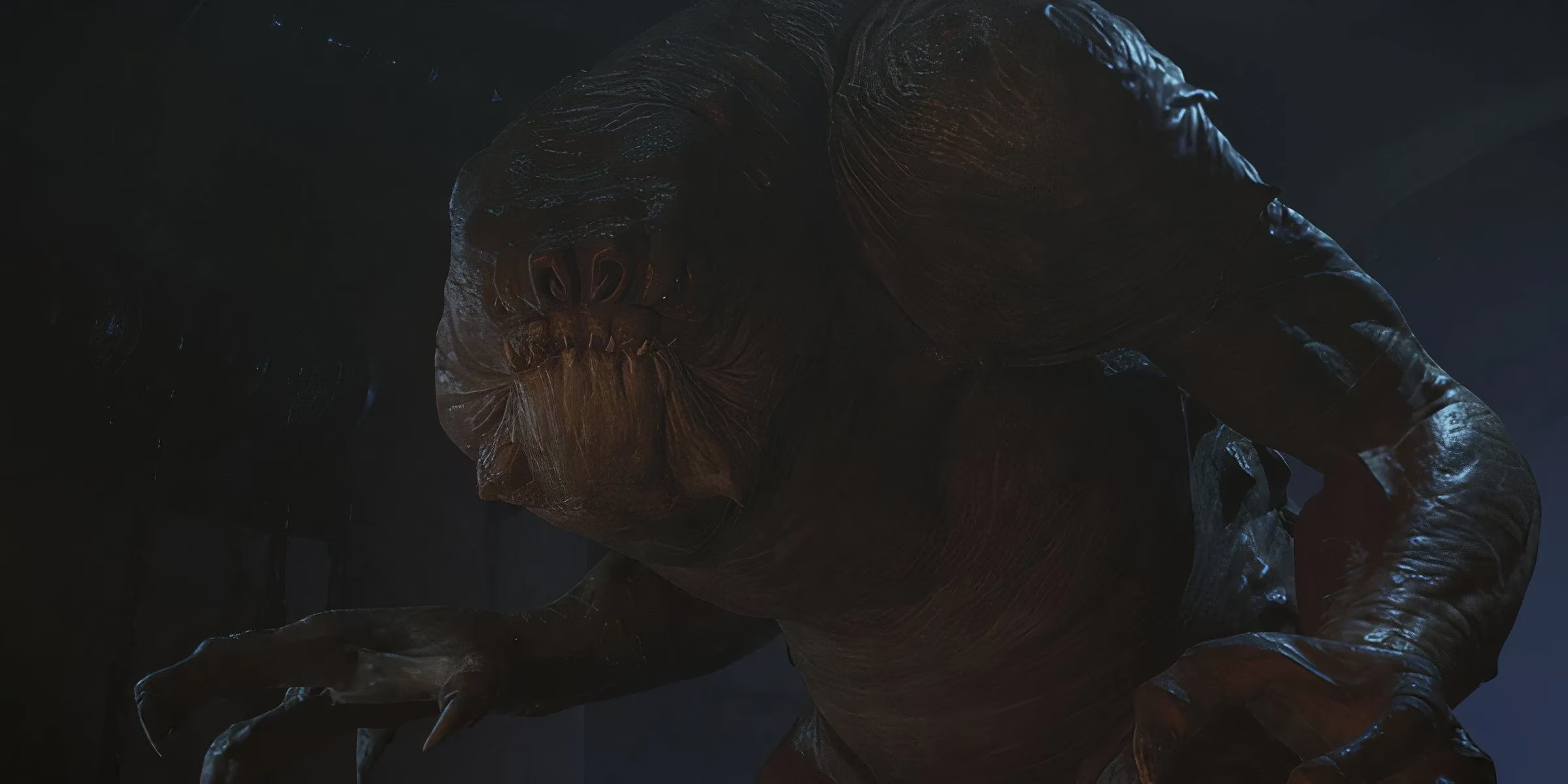
But here's where the magic fizzles. After a scrappy fight against some pesky massiffs in that iconic, claustrophobic hole, you brace for the main event. You hear the heavy THUD against the gate, your heart jumps into your throat... and then... nothing. The rancor is a no-show. Instead of a desperate battle for survival, Kay and Vail just... walk out. Talk about a letdown! It's only later, after they've escaped the throne room and reached the palace hangar, that the rancor finally decides to make an appearance for a boss fight that's more about dodging and weaving than delivering a satisfying, epic blow.
And that's the real kicker. This whole sequence feels disconnected from the very reputation system the game has been teaching you to master. You could have spent hours running errands for the Hutts, building your standing to "Excellent," thinking it would give you an edge. Or, you could have snubbed them at every turn, earning their scorn. Guess what? It doesn't make a lick of difference. The story plows ahead on its predetermined tracks, and your reputation with the galaxy's most infamous crime lord is just... window dressing.
What Could Have Been: A Reputation-Driven Showdown
Imagine how much more impactful this moment could have been if the game had the guts to tie the narrative directly to your actions.
-
The "Good" Reputation Path: If Kay has worked hard to earn the Hutt Cartel's trust, maybe Jabba gives her a smug, grunting laugh. "You have served me well, little thief," he might groan. The trap door still opens—he's still Jabba, after all—but instead of a rancor, it's a simple test or a staged fight. He lets her prove her worth one more time before allowing her to leave, making the player's effort feel validated.
-
The "Bad" Reputation Path: This is the golden, missed opportunity. If Kay has been a thorn in the Hutts' side, this is when Jabba decides to squash her. The rancor gate slams open, and the fight for your life happens right there in the pit, raw and terrifying. It would be a direct, brutal consequence of your choices, a narrative payoff that makes the reputation system feel alive and dangerous.
Instead, what players got was a one-size-fits-all sequence that made all that prior faction work with the Hutts feel strangely hollow. The game even doubles down on this odd choice; after the hangar fight, your Hutt reputation takes a hit, forcing you to rebuild it if you want to go back. It creates this bizarre narrative dissonance where being in Jabba's good graces before the mission didn't help you, and being in his bad graces didn't really hurt you either. The story and the systems just... passed each other by like ships in the night.
Some folks argued that locking the epic rancor pit fight behind a "Bad" reputation would have penalized players who played the system well. But wouldn't that have been the point? In a game about criminal choices and consequences, sometimes the "reward" for playing one syndicate is the wrath of another. It would have made the galaxy feel more reactive, more alive. The way it stands, the trip to Jabba's palace remains a beautifully rendered, yet curiously flat, piece of fan service—a reminder that in Star Wars Outlaws, even the mightiest Hutt's influence sometimes doesn't extend to the script.