I still remember the chaotic midnight launch of Star Wars Outlaws back in August 2024. I had shelled out over a hundred bucks for early access, eager to step into Kay Vess’s boots and explore the galaxy’s underbelly. Instead, I was met with game-breaking bugs that sent my speeder flying into the void or locked me in endless dialogue loops. The day one patch was a lifesaver—but it came with a gut punch: the developers strongly recommended restarting all progress. My early access advantage evaporated overnight, and the internet erupted with fury over pricing and broken promises. Fast forward to 2026, and I’m scrolling through my library, spotting the now fully patched and polished Outlaws. I decide to dive back in—and what I find still resonates powerfully, especially Kay’s raw, outsider perspective on the Rebel Alliance.
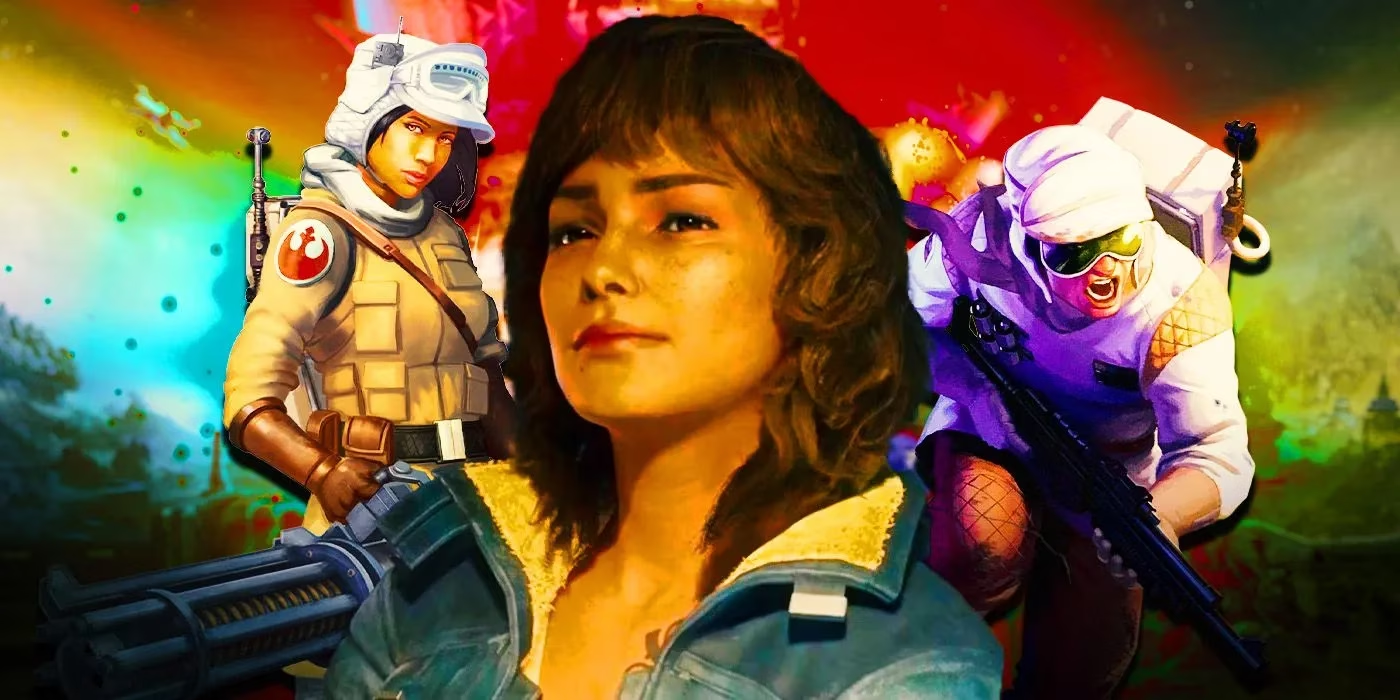
The galaxy far, far away has always painted the Rebellion in heroic brushstrokes—brave warriors fighting to restore peace against an oppressive Empire. But Kay doesn’t buy that. In one unforgettable exchange, she dismisses the entire Rebel Alliance as “just another syndicate.” She accuses them of using people the same way the Empire and the criminal cartels around her do. I have to admit, that line hit me like a blaster bolt to the chest. I’d spent decades cheering for Luke, Leia, and the gang, never once questioning whether the Rebellion itself could be a self‑serving machine that chewed up ordinary folks. Kay’s jaded voice brings a rarely explored stance to the forefront—one that mainstream Star Wars media has only gingerly touched upon, if at all. In the middle of the Galactic Civil War, when heroes and villains are supposedly crystal clear, Outlaws dares to muddy the water.
The setting makes this even more poignant. Kay operates during the height of Imperial domination, where everyday people aren’t picking sides; they’re just trying to survive. During my playthrough, I felt the weight of that desperation. I’d walk through bustling markets on Toshara, listen to NPCs whisper about the latest Imperial crackdown, and realize that for most beings, the Rebellion was a distant, almost mythical entity that meant nothing compared to putting food on the table. Kay embodies this survivalist mindset, and it breathes realism into a conflict that the movies often depict as a straightforward military showdown. Here, the Rebellion isn’t a shimmering fleet always ready to toe‑to‑toe with Star Destroyers; it’s a scattered, struggling force that has to recruit from the same desperate populations it claims to liberate. And sometimes, that recruitment feels more like conscription.
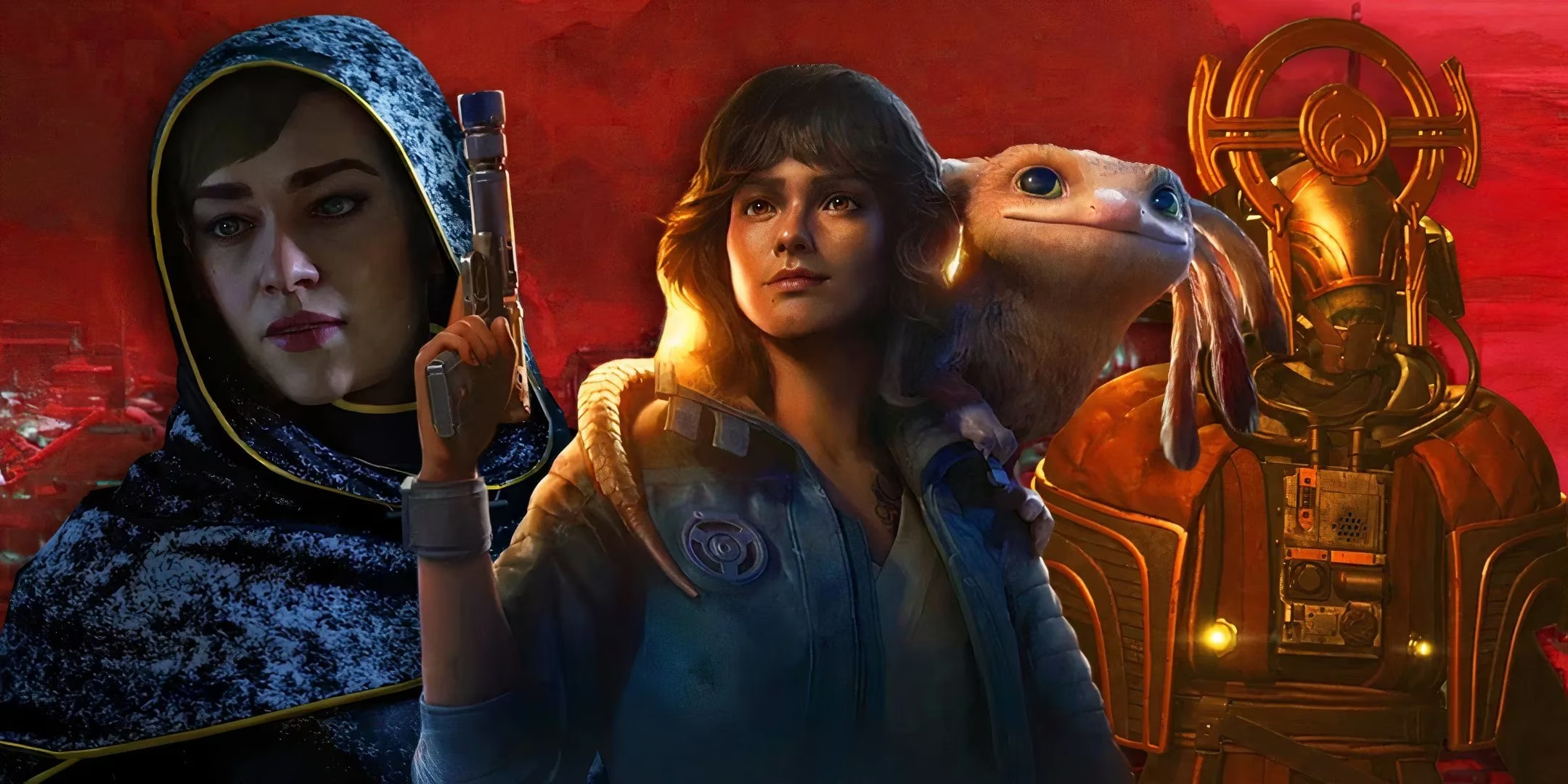
Fast forward two years later, and I’m still thinking about Kay’s words. They echo strongest when I revisit The Mandalorian and the broader New Republic era. The New Republic government we see there is exactly what Kay predicted: a bloated, self‑righteous bureaucracy that’s ignorant of the real issues plaguing the outer territories. Coruscant’s elite sit in their ivory towers, treating soldiers and civilians alike as expendable pawns. Internal rot, not brute strength, ultimately dooms that government from within—Imperial remnants don’t so much conquer the New Republic as they simply fill a power vacuum left by complacency. Looking back from 2026, with shows like Ahsoka and Skeleton Crew now expanding the timeline, the thematic breadcrumbs left by Outlaws appear almost prophetic. The Rebel Alliance may have won the war, but the seeds of its successor’s failure were planted in the very culture Kay critiques: a tendency to become the thing it fought against.
Of course, Outlaws itself was not a perfect vessel for such heavy ideas. Its rough launch, overpriced editions, and occasionally shallow open‑world systems sparked justified criticism. But as I replay it on my current‑gen console with all patches, quality‑of‑life improvements, and the later DLCs that fleshed out Kay’s backstory, the experience feels far more cohesive. The janky AI and odd physics are now charming quirks rather than rage‑inducing flaws. More importantly, the narrative core—that line about the Rebellion being another syndicate—still feels like a tiny philosophical bomb dropped into the franchise’s lore. It makes me crave more stories from the perspective of nobodies who view both the Empire and the Rebellion as two sides of the same oppressive credit chit. Maybe a future Star Wars game could lean fully into that moral ambiguity, following a character who never truly picks a side and simply tries to navigate the wreckage of a galaxy at war.
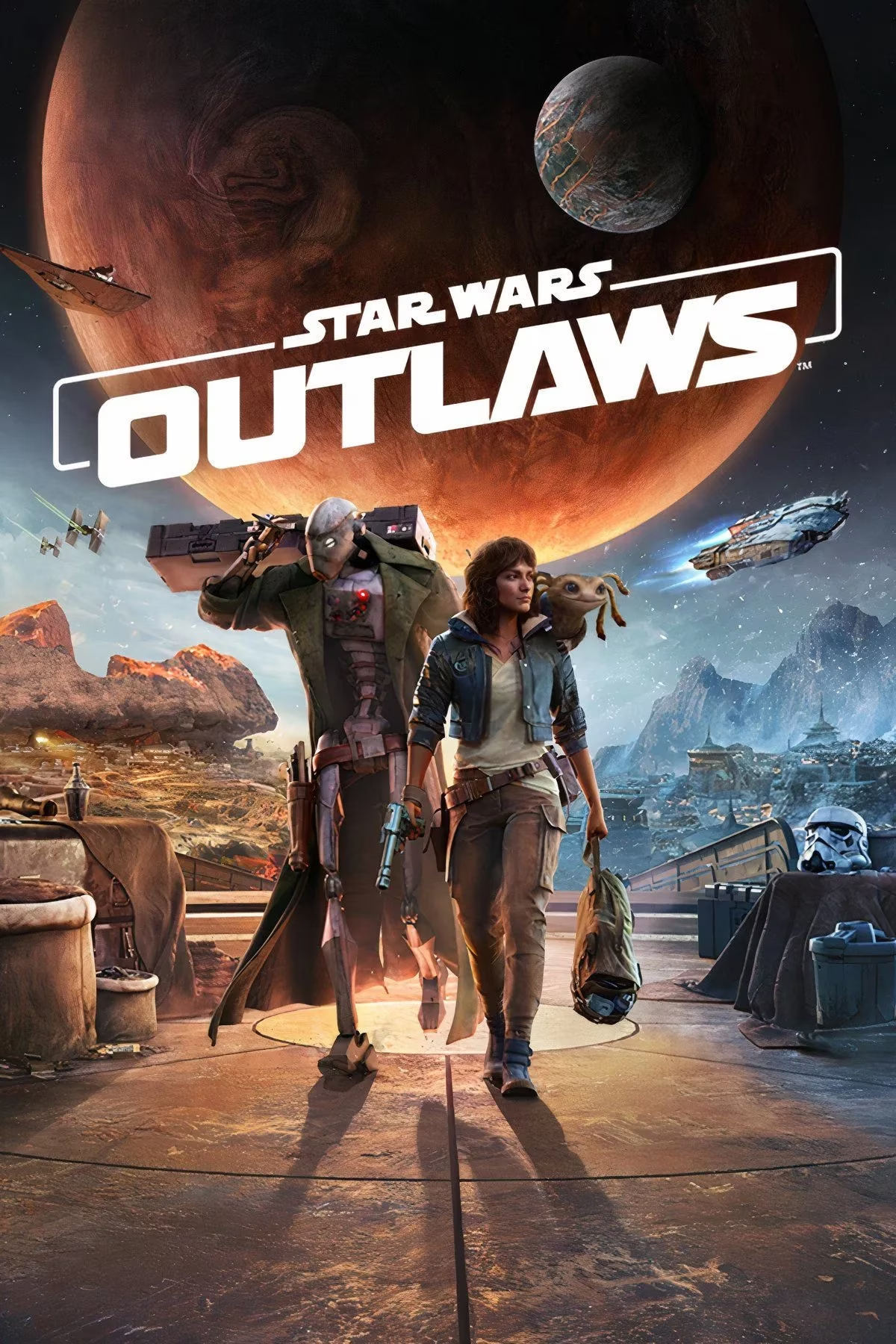
Re‑engaging with Star Wars Outlaws in 2026 feels like visiting an old friend who’s gone through a lot of therapy. The game still has its rough edges, but its willingness to challenge decades‑old assumptions about the Rebellion gives it a lasting shelf life. Kay Vess may be a scoundrel, a thief, and a survivor, but her cynical observation cuts closer to the truth than a hundred rallying speeches about hope. The Rebel Alliance is, after all, built on the backs of people who just wanted to get by—and sometimes, the heroes forget that.