The Best Performance category at The Game Awards has often felt like a byproduct of the Game of the Year race, a predictable list of actors from the most widely-played blockbusters. It’s a familiar scene: great performances from smaller or less mainstream titles get lost in the noise because, let’s be honest, many judges on the voting panel simply haven’t had the time (or inclination) to play them all. While popular games often earn their popularity through genuine quality—think of the masterful work in titles like Metaphor: ReFantazio—the category has sometimes risked feeling a little… safe. A little predictable. Like it’s on autopilot, nominating performances primarily because the game they're in is already scooping up votes elsewhere. But hold onto your controllers, folks, because 2025 is telling a very different story.

The Nominees: A Genuine Celebration of the Craft
This year, the Best Performance shortlist feels refreshingly curated. For the first time in recent memory, it's not just a shadow of the GOTY category. In fact, only one nominee hails from a game also in the running for the top prize: Briana White's heartfelt and iconic portrayal of Aerith in Final Fantasy 7 Rebirth. And even there, it’s a supporting role that’s being recognized on its own immense merits. The rest of the list is a thrilling showcase of lead performances from games that carved their own paths. This shift transforms the category from "Actors Who Were In The Best Games" to a true celebration of acting in gaming. It’s a trend that every fan of video game storytelling should hope becomes the new standard.
Let’s break down why this year's field is so compelling:
-
Diversity of Source Material: Nominees come from survival horror remakes, quirky time-bending adventures, mythological action games, and sprawling RPGs.
-
Lead Role Focus: Four of the five nominees are the undeniable leads of their respective stories, carrying the narrative weight on their shoulders.
-
Merit-Based Recognition: Performances are being judged individually, seemingly less tied to the overall critical or commercial success of their game.
The Tightest Race in Years
The direct result of this more thoughtful selection process? A race that is impossibly close to call. All five nominees are utterly deserving, making this one of the most competitive categories of the night. While Briana White might have an edge due to the monumental popularity and emotional resonance of FF7 Rebirth, the fact that her competitors are all lead performances could tip the scales in their favor. It’s a fascinating dynamic.
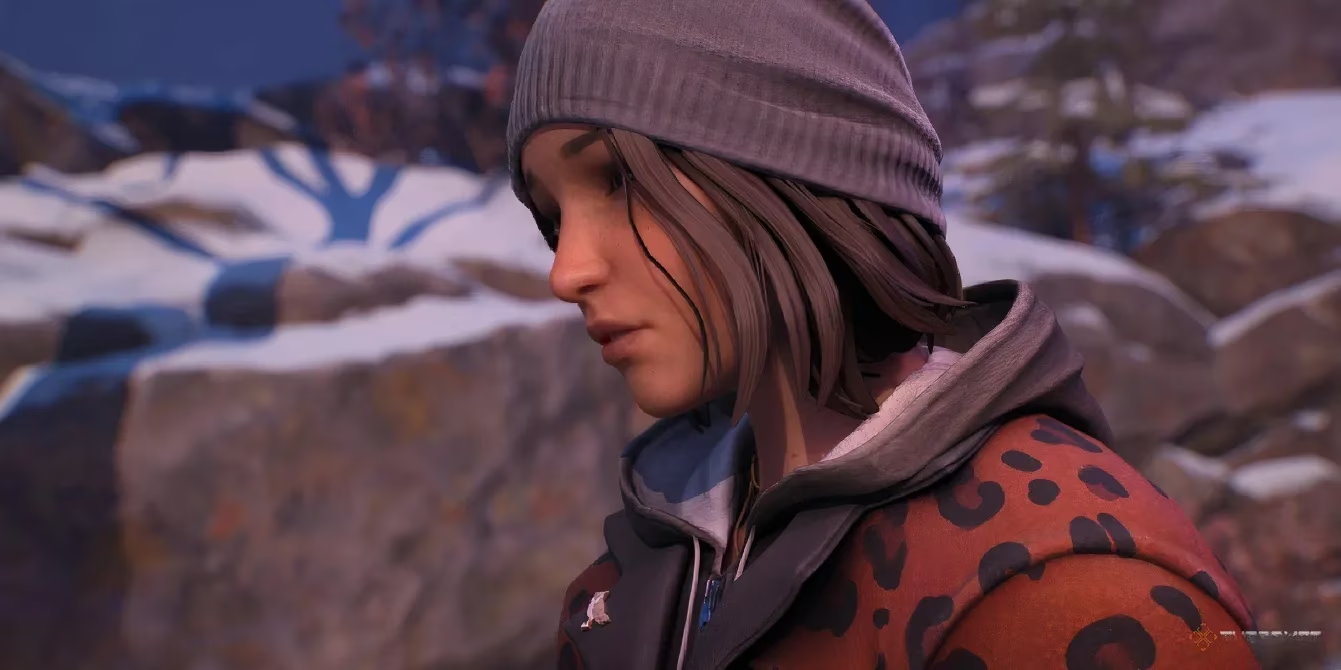
The frontrunner, in the eyes of many pundits, is Luke Roberts for his haunting, emotionally shattered performance as James Sunderland in the Silent Hill 2 remake. He had the unenviable task of redefining a character seared into gaming memory, and he delivered a masterclass in subtle, gut-wrenching despair. Then there’s the dark horse, or perhaps the heart of the category: Hannah Telle returning as Max Caulfield in Life is Strange: Double Exposure. Her nomination is arguably the most significant sign of this category's evolution.
Here’s why Telle’s nod is a big deal:
-
Double Exposure itself received mixed reviews and is the lowest-rated entry in the series.
-
Outside of Best Performance, it’s only nominated in the Games for Impact category.
-
In previous years, the game’s lukewarm reception might have completely sunk her chances.
-
In 2025, her performance was evaluated on its own, separate from the game’s flaws, and rightfully recognized as fantastic. She’s finally getting her flowers.
A Ripple Effect Across the Awards
This newfound focus on individual merit isn't confined to Best Performance. Look at the Games for Impact category, which has often been a haven for smaller, overlooked titles. This year, it feels more robust and legitimate, featuring nominees like Senua’s Saga: Hellblade II and Life is Strange: Double Exposure—games that also earned nods in other major categories. It’s a happy trend that suggests a more holistic and less siloed approach to judging games and their components.
Of course, one could cynically argue that 2025’s slightly quieter release calendar—certainly compared to the barrage of 2023—created more space for these performances to shine. With fewer earth-shattering AAA titans dominating the conversation, the door was open for other kinds of excellence to step into the spotlight. But let’s not overthink it. The result is a richer, more interesting, and more authentic celebration of talent.
The Verdict: A Welcome New Direction
So, who wins? Your guess is as good as anyone’s. It’s a nail-biter. But the real winner is the category itself. The days of feeling like certain nominations had a "thumb on the scales" simply because of their game's popularity seem to be receding. While the debate over splitting the award into Lead and Supporting roles will continue (and it’s a good debate!), this year’s lineup is a powerful argument for the current format—when it’s executed with this level of care.
The 2025 Best Performance category proves that the most memorable moments in gaming aren't always attached to the highest Metacritic scores or the biggest marketing budgets. Sometimes, they’re found in a whispered confession in a foggy town, in the resilient smile of a flower girl, or in the weary determination of a hero staring down fate. This year, The Game Awards finally seems to be listening. 🎮🏆